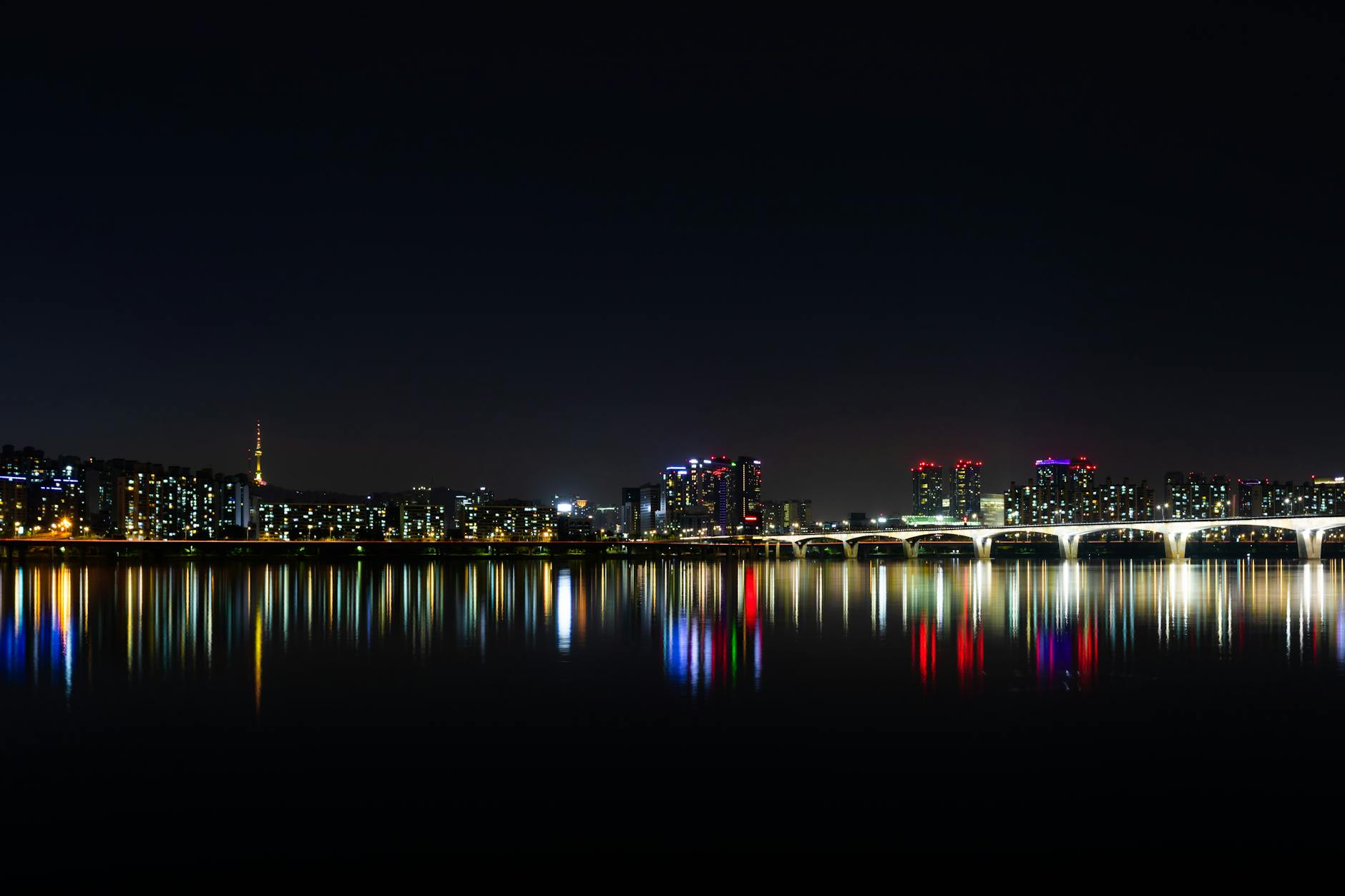
Let me tell you about the time I got completely lost in Seoul for six hours and missed my flight. I was trying to be efficient — doing my "research" on Naver Maps while walking, not looking where I was going, and somehow ended up in a residential neighborhood in Gangnam where no street signs had English. The kind locals tried to help me, but my Korean was limited to "Annyeonghaseyo" and theirs was... also limited. We just stood there smiling at each other for a full minute.
I love Seoul like that. The city has a way of rewarding the lost — every wrong turn leads somewhere worth finding.
Whether it's your first time or you're returning, this guide is designed to give you the most complete, honest, and useful 2026 Seoul travel information available.

Is Seoul Worth Visiting in 2026? The Honest Answer
Short answer: Yes, absolutely. But here's the nuance.
Seoul has become one of Asia's most sophisticated travel destinations. It's not just about K-pop or Korean BBQ — the city has developed a genuinely rich urban culture over decades, and 2026 finds it at an interesting intersection: the old Seoul (traditional hanok neighborhoods, Joseon-era palaces, third-generation restaurants) is increasingly being preserved and celebrated, while the new Seoul (cutting-edge coffee culture, independent design, nightlife that actually surprises you) continues to evolve at a pace that rivals any major city globally.
The Korean Won has been relatively favorable for Taiwan travelers in recent years, meaning your NT$ goes further on food, accommodation, and shopping than it did five years ago.
When to Visit Seoul: 2026 Seasonal Guide
Best Time: Late October to Early November (Fall in Seoul)
Autumn is Seoul at its most beautiful. The leaves turn — reds, oranges, yellows — and the city's many parks and temple grounds become genuinely cinematic. temperatures range from 10°C to 18°C, perfect for walking. This is peak season for a reason.
Bonus: Chuseok (Korean Thanksgiving) falls in late September or early October — it's one of Korea's biggest holidays, so expect some closures but also incredible festive food.
Second Best: March to April (Cherry Blossom Season)
Seoul's cherry blossoms are less famous than Japan's, but equally stunning in their own right — particularly along the Cheonggyecheon Stream and around Yeouido. Spring temperatures are 8°C to 16°C. This is increasingly popular with Taiwanese travelers, so book accommodations early.
Winter (December to February): The Hidden Gem Season
I personally think winter is Seoul's most underrated season for travel. Yes it's cold (often -5°C to 3°C), but the city's heating systems are excellent, indoor attractions are less crowded, and the contrast between the crisp outdoor cold and the warm interiors of cafes and restaurants is genuinely cozy.
Winter in Seoul means: incredible hot pot and stew restaurants, rooftop cafes with city views, steam rising from the hanbok (traditional sauna) — jjimjilbang — and the rare treat of snow-covered palaces.
Summer (June to August): Prepare for Humidity
Seoul summers are hot (28°C-33°C) and extremely humid. The monsoon season (late June to mid-July) brings heavy rain. Only come in summer if you specifically want to experience the city's summer festival scene (Lotus Lantern Festival, summer night markets).

The Perfect 7-Day Seoul Itinerary
Day 1: Arrival & Settling In — Hongdae or Myeongdong?
Where you stay sets the tone for your trip.
Hongdae (弘大) — Younger, artier, more nightlife-oriented. Great if you want to be near the university energy, indie music venues, and a more casual vibe. Excellent value accommodation. Near Hongik University Station on the Gyeongui Line.
Myeongdong (明洞) — The tourist center. Dense with shops, restaurants, and access to major attractions. More expensive but extremely convenient. Near Chungmuro Station.
Insadong (仁寺洞) — Cultural heart of the city. Traditional hanok guesthouses, art galleries, antique shops, and some of the best traditional tea houses. For those who want to feel the old Seoul.
Jongno / Anguk — The geographic and cultural center. Palace district, Bukchon Hanok Village, and excellent metro connectivity. My personal top choice for first-timers.
First evening: walk along the Cheonggyecheon Stream (清溪川) if you arrive in the afternoon. It's a gorgeous 8km urban stream running through central Seoul, illuminated at night, completely free.
Day 2: Gyeongbokgung Palace + Samcheongdong + Insadong
Gyeongbokgung Palace (景福宮) — The largest of Seoul's Five Grand Palaces, built in 1395. Entrance fee: Adults ₩3,000 (approximately NT$75). Free entry on the last Wednesday of each month.
The changing of the guard ceremony happens at 10:00 and 14:00 — attend one, it's genuinely atmospheric.
Tip: Rent a traditional hanbok (한복) from one of the many shops near the palace. It's approximately ₩15,000-30,000 for a few hours, and you'll get free palace entry at most locations. It's also one of the most photographed experiences in Seoul.
National Folk Museum — Located within the palace grounds, free with palace ticket, excellent overview of Korean daily life history.
Samcheongdong (三清洞) — The neighborhood immediately north of the palace. A warren of narrow lanes with independent boutiques, concept stores, cafes, and galleries. Spend 2-3 hours wandering without a plan.
Bukchon Hanok Village (北村韓屋村) — A 10-minute walk from Samcheongdong. 600+ traditional Korean houses (hanok) preserved in a dense residential neighborhood. Free to walk, though some private hanok experiences require booking. Best visited in late afternoon when the golden hour light through the tiled roofs is extraordinary.
Insadong evening: Traditional tea houses along Ikseong-dong (益善洞) are perfect for early evening — try https://www.thaiwonder.cc/ for some of the best traditional drinks in a hanok setting.

Day 3: Myeongdong + N Seoul Tower + Myeongdong Shopping Day
N Seoul Tower (N서울타워) at Namsan (南山) — The most recognizable landmark in Seoul's skyline. The tower itself is on Namsan Mountain, and you can reach it by cable car (₩14,000 roundtrip) or by hiking the Namsan trail (free, about 40 minutes up).
The observation deck offers 360-degree views of the city. Tickets: adults ₩17,000 (observation deck only). If you're on a budget, the hike up and the view from the base of the tower is already worth it.
Myeongdong (明洞) — Korea's most famous shopping district. Every major Korean beauty brand (Innisfree, Etude House, COSRX, Laneige) has a flagship store here, plus international brands and small independent retailers. The street food scene along Myeongdong's main artery is excellent in the evening.
Myeongdong Cathedral (명동성당) — A surprising gem in the middle of the shopping district. Korea's first Gothic-style church, built in 1892, free to visit and surprisingly peaceful despite the surroundings.
Day 4: Bukchon to Gangnam — The Old and New Divide
Bukchon again: If you loved it on Day 2, return in the morning for a different perspective — it's a residential neighborhood, so morning light and the absence of tourists is a different experience entirely.
Garosu-gil (garosugil, 가로수길) in Saimdang: One of Seoul's most iconic tree-lined streets, in the Saimdang area near the south of the city. High-end boutiques, coffee shops, and restaurants line both sides. Excellent for slow afternoon wandering.
Apgujeong (압구정) and Rodeo Street (로도대로): Seoul's luxury district. TheLV flagship, Chanel, and dozens of Korean designer stores. The street itself — Rodeo Street — is famous in Korean pop culture. Even if you're not buying, it's a fascinating window into Korea's luxury market.
Coo Coffee (쿠커피): One of Seoul's most famous concept cafes, in Saimdang. Famous for their cloud pastries and intricate latte art. Get the signature Coo Latte (₩7,500). No English menu, but it's worth the gesture-based communication.
Gangnam Style evening: The actual Gangnam nightlife — and I don't just mean the jokes. The area around Gangnam Station and Cheongdam has some of Seoul's most sophisticated cocktail bars and late-night dining.

Day 5: The Markets — Gwangjang + Dongdaemun + Noryangjin
Gwangjang Market (광장시장) — Seoul's oldest traditional market, established 1905. Famous for its bibimbap (the original, not the tourist version), fresh silkworm pupae (beondegi), and incredible fabric and silk stalls on the second floor. Open from early morning until late evening.
Dongdaemun Design Plaza (DDP, 동대문디자인플라자): The futuristic Zaha Hadid-designed structure that has become a symbol of modern Seoul. At night it's illuminated dramatically. Inside: design stores, flagship boutiques, and the excellent Art Hall. Adjacent to Dongdaemun Market, which operates 24 hours in some sections.
Noryangjin Fish Market (노량진도미장) — One of Korea's largest and most authentic wholesale fish markets. Come for breakfast or lunch — you can buy fresh fish at the wholesale level (significantly cheaper than restaurants) and have it prepared on-site at one of the restaurants in the complex. Get the expert to help you pick — language barrier is real but the experience is genuine.
Day 6: Day Trip — DMZ or Suwon Hwaseong Fortress
DMZ (Demilitarized Zone) Tour: The most unique day trip from Seoul. The DMZ is one of the world's most tense geopolitical borders, and tours give you access to observation points, tunnels dug by North Korean forces, and Dora Observatory where you can theoretically see into North Korea on clear days.
Book through a reputable tour operator (Viator, Klook, or directly through operators like Seoul City Tour). Full-day tours run approximately ₩65,000-95,000. Note: some attractions require 2+ weeks advance booking due to military restrictions.
Alternative: Suwon Hwaseong Fortress (수원 화성) — A UNESCO World Heritage site, about 45 minutes by train from Seoul. The fortress walls are fully walkable (5.7km) and offer excellent views of modern Suwon and the surrounding area. Less crowded than Seoul's palace district and a fascinating window into Joseon-era military architecture.
Day 7: Recovery, Leeum or Final Shopping
Leeum, Samsung Museum of Art (이음 삼성미술관) — One of Seoul's finest cultural spaces, in Samseong-dong. A blend of premodern Korean art (Traditional Korean art in a stunning collection) and contemporary international works, in a purpose-built Renzo Piano building. Adults ₩20,000, excellent cafe in the building.
Last evening: Go to Mangwon-dong (망원동) — a quieter, more local neighborhood in Mapo-gu that's become known for its cafes, indie shops, and the famous Cheonggyecheon night walk. Less discovered by tourists than Hongdae, more community-oriented. End your trip the way the city rewards: wandering without a plan and finding something great.
Seoul Food: The Complete Guide by Meal
Breakfast: Gukbap (국밥) Culture
Korean breakfast is an underrated experience. The gukbap (soup + rice) culture is everywhere — Jongno Gukbap (종로국밥) near Jongno 3-ga is open 24 hours and serves some of the best dongtae jegong (pollock roe soup) in the city for under ₩10,000. Myeongdong Kyoja (명동교자) is famous for its jjajangmyeon and mandu (dumplings), consistently excellent for decades.
Lunch: KBBQ for Lunch Sets
The best bang-for-buck Korean BBQ is lunch set menus — typically ₩12,000-18,000 for quality grilled meat with banchan and soup. Maple Tree House (단나무집) in Samcheongdong is the "fine dining" version, while neighborhood joints in Gangnam offer incredible value. For something more casual, Seongsim (성심) near Dongdaemun is famous for ddukbokki (spicy rice cakes) done properly.
Afternoon: The Cafe Culture
Seoul has some of the world's most interesting cafe culture. Beyond the famous chains (Pelican, Blue Bottle, Anthracite), look for the neighbourhood cafes in Mapo-gu's Gongdeok area or Yeonnam-dong. The latte art at some of these places rivals Tokyo. Don't miss: Felt (펠트) in Yeonnam-dong for excellent espresso and a quiet workspace.
Dinner: What to Eat in Seoul
Jongno is the street food heart of Seoul for a reason — but for a real dinner experience, consider these:
King's Support (왕支持) — An excellent Galchi (mackerel) broiled fish restaurant near Gyeongbokgung, beloved by locals and rarely crowded with tourists. ₩15,000-25,000 per person.
Gwangjang Market for Late Night: Yes, the market again. After 9pm the food vendors become some of the most atmospheric late-night eating in the city. Thesoondae (blood sausage) at the southern end of the market is a cult favourite.
Don't Miss: Convenience Store Food
Seoul's convenience stores (CU, GS25, 7-Eleven) are legitimately good. The gyeran ppang (egg bread), kkul ppang (honey bread), and the ready-made bibim-naengmyeon (cold noodles) are legitimate hangover food. Try the Samdasu (삼다수) brand kimbap — it's a late-night revelation.
Seoul Transport: Getting Around 2026
T-money Card (티머니카드)
The essential purchase for any Seoul trip. A rechargeable transit card that works on the subway, buses, and even some taxis. Available at any convenience store (CU, GS25, 7-Eleven) for a ₩2,500-3,000 deposit. Top up with cash or credit card at machines in every station.
Cost for subway: ₩1,350-2,150 per trip depending on distance (base fare ₩1,350 for up to 10km, then +₩100 per 5km). Transfers within 30 minutes are free.
Subway: The Best Way to See Seoul
Seoul's subway system (9 main lines + connecting lines) is one of the world's most comprehensive. Buy a day pass (₩6,000 for unlimited subway rides) if you're doing heavy sightseeing.
Pro tip: The subway has an "equivalent fare" structure — longer journeys cost more, so budget accordingly. Also: peak hour (8-9am, 6-8pm weekdays) on Lines 1, 2, and 4 is genuinely packed. Avoid if possible.
Taxi
Regular taxis start at ₩4,800 flag fall. Premium taxis (검정taxi, or "Black Cab") start at ₩6,500. Kakao T is the essential app — enter your destination in English, and the fare estimate is reliable. Cash or credit card in the taxi.
Warning: Major tourist areas (Myeongdong, Hongdae) have organized taxi queues. Use them rather than flagging random cabs, which may try to run the meter or take detours.
AREX Train from Incheon Airport
The AREX (Airport Railroad Express) connects Incheon International Airport (T1 and T2) to Seoul Station in 43 minutes. Non-stop trains cost ₩10,000, stopping trains (which also connect to Hongdae) cost ₩4,800. Buy at the airport station or use the AREX app.
The T-money card works on AREX stopping trains — just tap in and out at the station gates.
Kakao Map vs Naver Map in Seoul
In 2026, both apps work for tourists. Kakao Map has improved English support significantly and is better for finding restaurants and cafes. Naver Map has better English search for addresses and public transit directions. Use both.
Budget: How Much Does Seoul Cost in 2026?
Seoul can be done on a range of budgets:
- Budget (₩50,000-80,000/day, ~NT$1,200-2,000): Convenience store meals, gukbap restaurants, hostel or capsule accommodation, free attractions (palace exterior, Bukchon walk, Cheonggyecheon), subway
- Mid-range (₩100,000-180,000/day, ~NT$2,500-4,500): One nice dinner + one KBBQ lunch per day, comfortable hotel (₩80,000-150,000/night), mix of subway and taxis, a few paid attractions
- Luxury (₩300,000+/day, ~NT$7,500+): Upscale dining, luxury hotel (₩250,000+/night), shopping in Apgujeong/Gangnam, private tour or premium transport
Conclusion: What Makes Seoul Worth It
Seoul rewards patience. The city is vast, the language barrier is real, and it's very easy to feel overwhelmed — especially in Myeongdong, where the commercial energy can feel relentless.
But spend a week here, get a little lost, eat at the neighborhood restaurants instead of the ones with English signs, sit in the cafes that don't have any signage at all, take the subway instead of a taxi — and Seoul reveals itself as one of Asia's most genuinely compelling cities.
The people who love Seoul tend to love it deeply, and it's usually for the same reasons: there's always something around the corner that surprises you, the food culture is vast and constantly evolving, and the city has a certain energy — urban, fast, impatient — that's completely infectious.
Go. Get lost. Come back different.